Is AI truly reshaping the economy? Current GDP says otherwise
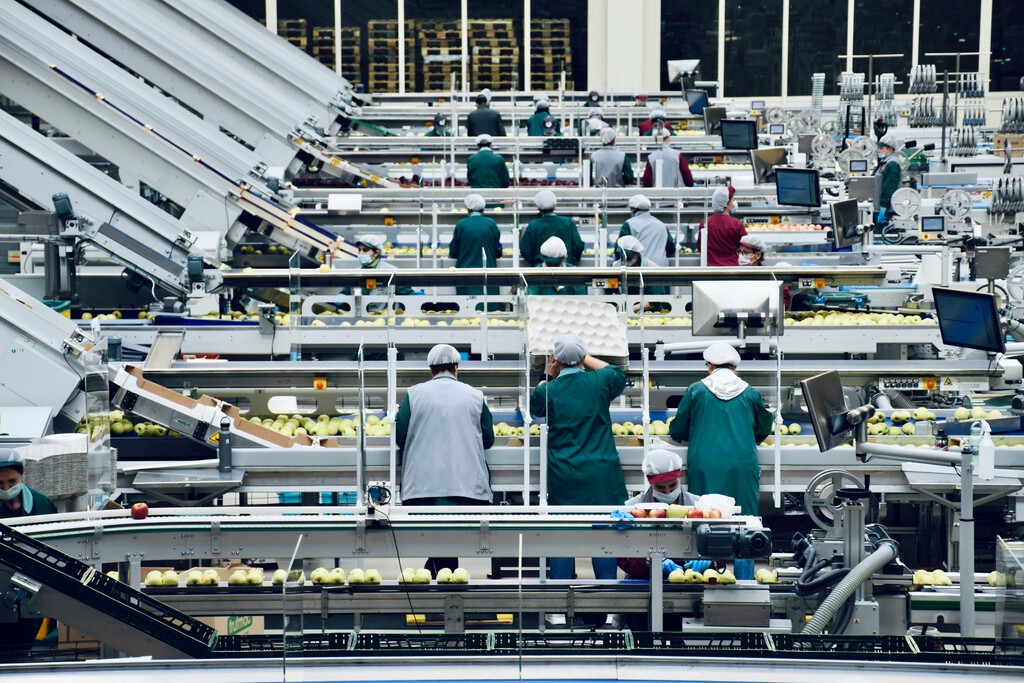
Despite the hype surrounding generative AI, its impact on GDP remains unclear. Current data does not indicate significant changes in economic productivity.
Generative artificial intelligence has stirred considerable excitement in recent years, promising radical shifts in productivity and the labor market. Projections suggest efficiency gains and notable global GDP growth, yet the reality appears to be more complex.
Despite substantial investments in this technology, production data from Western economies show no signs of significant disruption. The expectations for an immediate change in macroeconomics have not materialized, raising questions about AI's effectiveness in improving economic indicators.
Moreover, this transformation is expected to bring about a restructuring of the labor market, with millions of jobs projected to be lost across various sectors. However, the tangible impact on the economy, as measured by GDP, has yet to be reflected, casting doubt on the speed of this transition.
In summary, while generative AI has the potential to revolutionize the economy, the results so far do not support the optimistic expectations. It serves as a reminder that technological innovation does not always translate into immediate economic improvements.
Read at the original source:
Xataka →Related news
 Tech Business
Passenger behavior in autonomous cars under scrutiny
Researchers are exploring passenger behavior in self-driving vehicles. A workshop in Gothenburg examined the implications of sexual activity in these cars.
 Tech Business
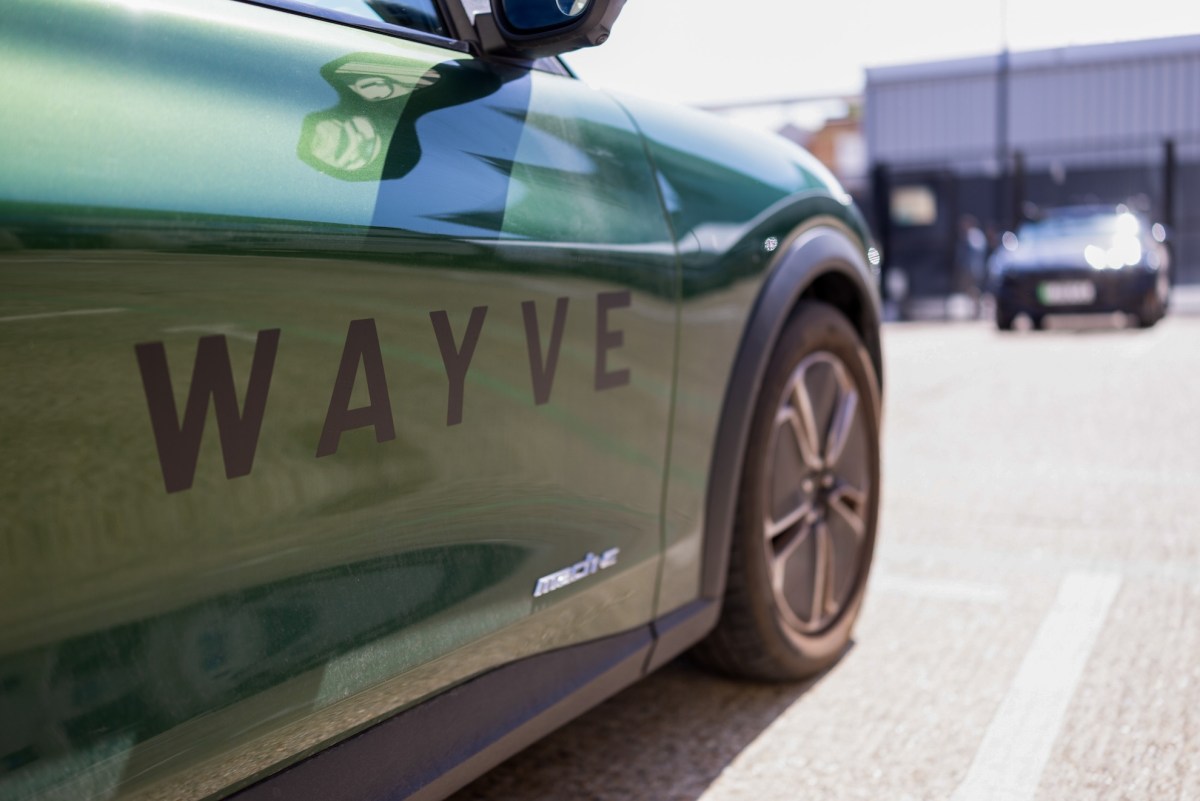
AV Companies Chart Their Course in Mobility
The future of transportation is increasingly intertwined with AI.
 Tech Business
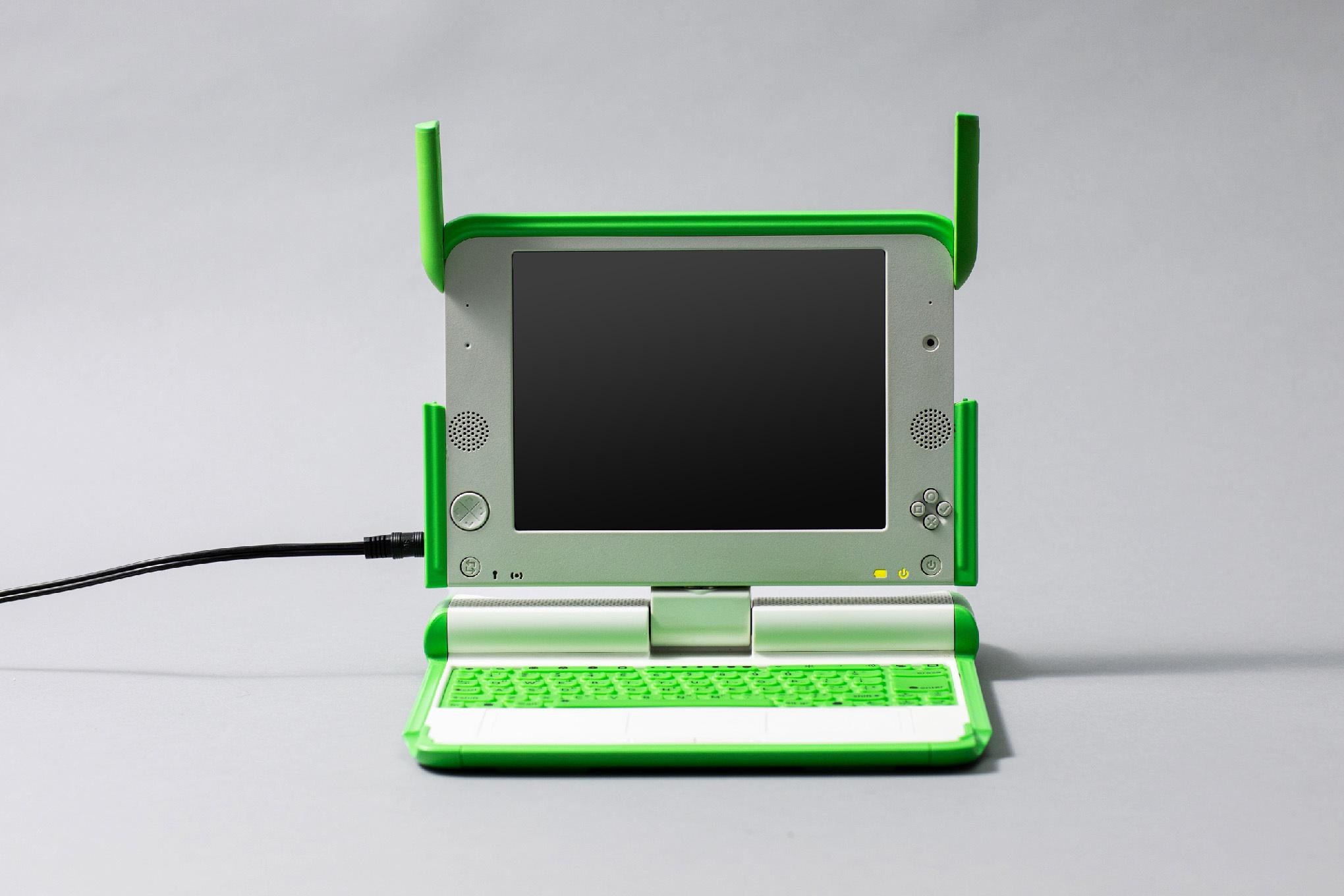
Why OLPC's $100 laptop never stood a chance
The OLPC initiative aimed to provide computers to children worldwide but faced unexpected challenges.