Why OLPC's $100 laptop never stood a chance
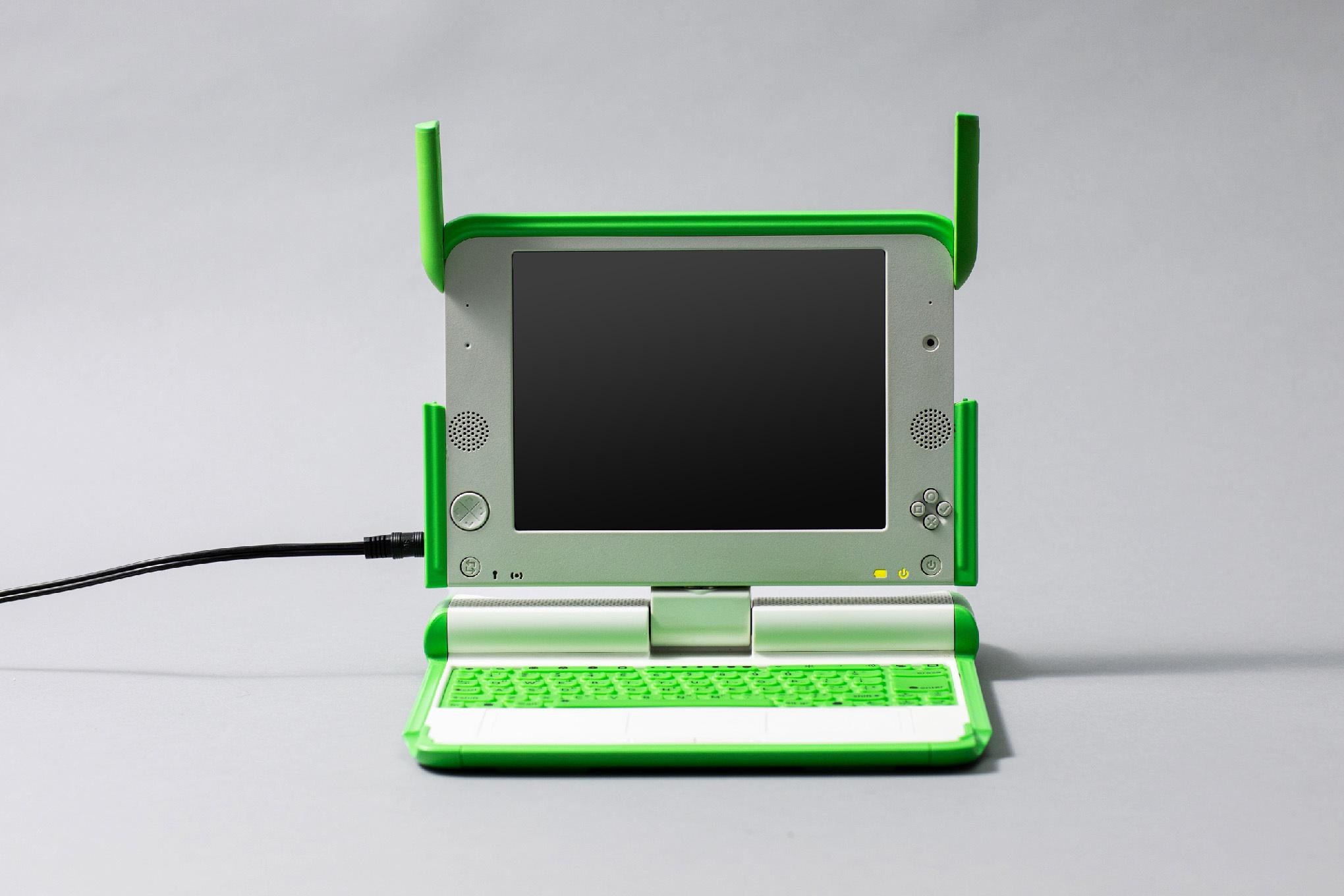
The OLPC initiative aimed to provide computers to children worldwide but faced unexpected challenges.
The One Laptop Per Child (OLPC) initiative aimed to revolutionize education by supplying affordable laptops to children in developing countries. However, the $100 laptop dream turned out to be far more complicated than many had anticipated.
In the latest episode of Version History, the reasons behind OLPC's failure are explored while also examining the innovative design of the XO-1. Despite its ambitious goals, the project fell short of its objectives, prompting discussions on what lessons can be learned from this experience.
The conversation also considers whether the idea of giving away computers could succeed in the future, especially in light of the challenges that OLPC faced. This discussion aims to understand not only the impact of technology on education but also the difficulties of implementing such initiatives on a large scale.
Ultimately, the episode encourages reflection on how technology can be effectively used to enhance education, learning from the mistakes of the past.
Read at the original source:
The Verge →Related news
 Tech Business
Passenger behavior in autonomous cars under scrutiny
Researchers are exploring passenger behavior in self-driving vehicles. A workshop in Gothenburg examined the implications of sexual activity in these cars.
 Tech Business
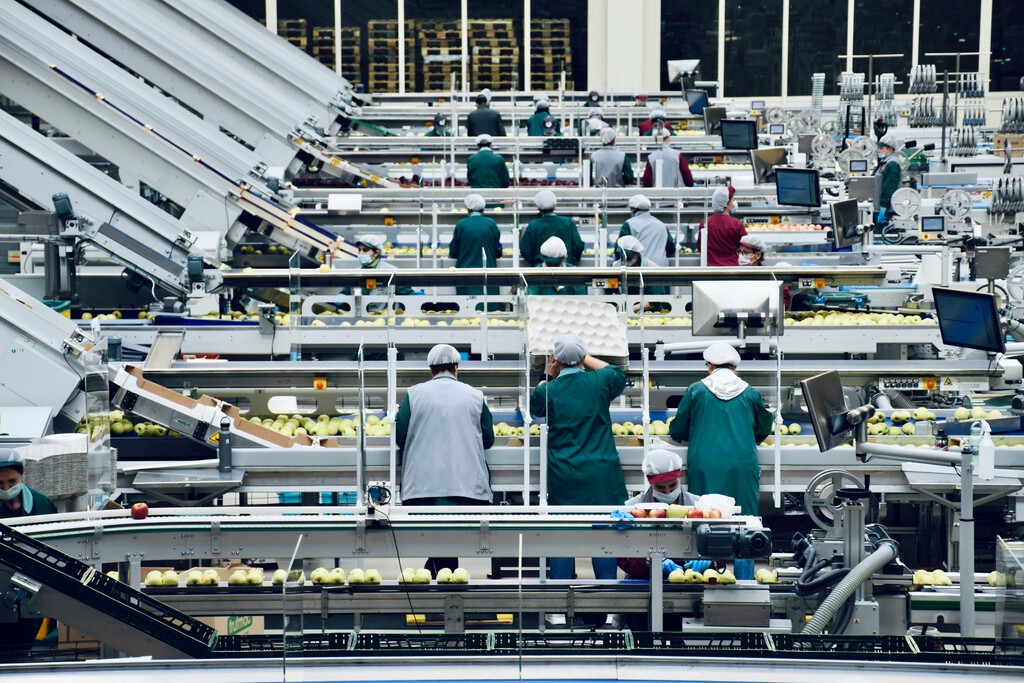
Is AI truly reshaping the economy? Current GDP says otherwise
Despite the hype surrounding generative AI, its impact on GDP remains unclear. Current data does not indicate significant changes in economic productivity.
 Tech Business
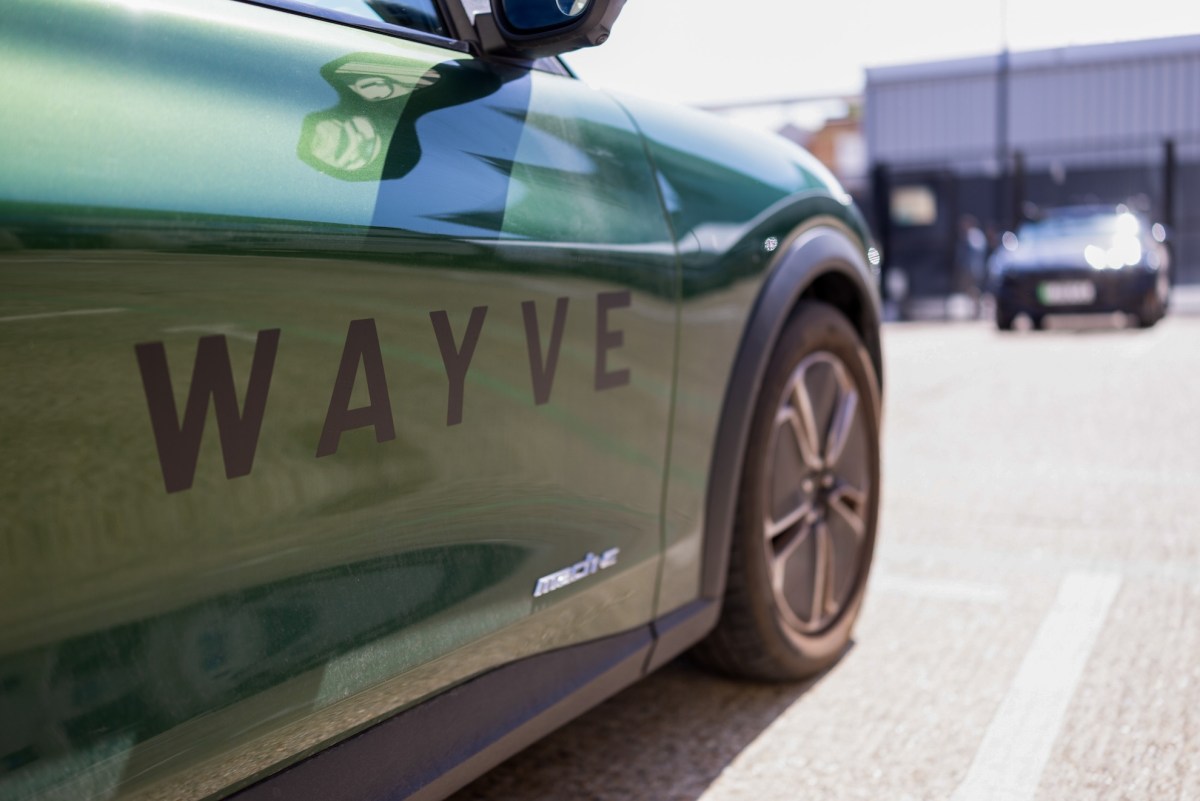
AV Companies Chart Their Course in Mobility
The future of transportation is increasingly intertwined with AI.